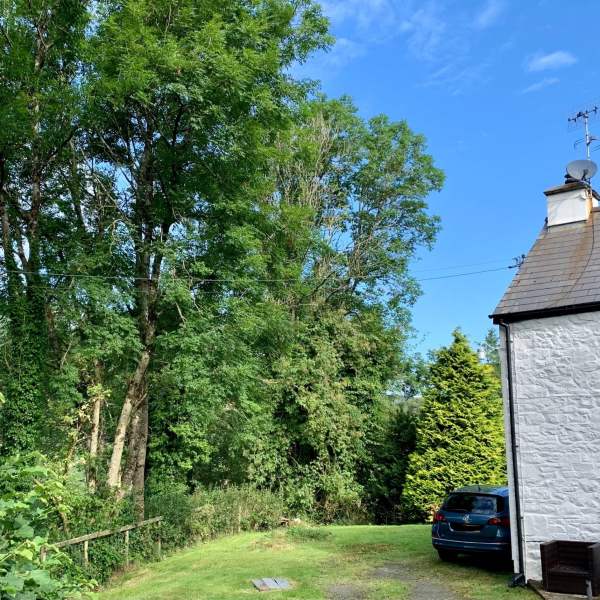
The ash dieback fungus was officially identified in the UK in 2012 and is expected to affect 80% of the entire species by 2034. There is no cure for the fungus but there are certain steps that can be taken to minimise and slow down its spread. Ash Dieback is generally easier to detect in the late spring/summer months when the canopy/crown is in full flush, but there are diagnostic signs to look out for in late autumn/winter months, such as diamond shaped lesions, epicormic water shoots and cellular damage in the tips of branches.
Where less than 50 per cent of the crown is infected, trees should be regularly monitored as described above. However, you shuld also assess the risk of Armillaria (honey fungus) attack. This is often the ultimate cause of death of ash trees with chalara, especially older ones. Felling should be considered if Armillaria is present on the site.
“Trees showing 25-50%+ of canopy decline and/or the presence of extensive areas of epicormic growth or large stem/basal lesions should be felled.” Fera Science Ltd, DEFRA, Woodland Trust